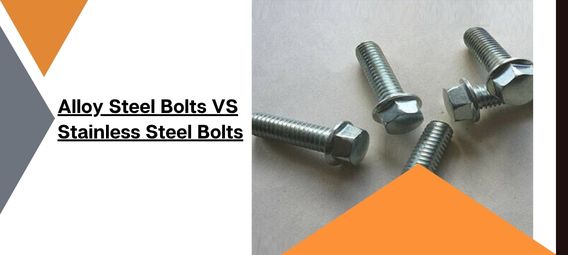
Picking the wrong bolt material for an industrial application is a more common issue engineers face. Construction, oil & gas, marine, chemical processing and heavy engineering all have different demands, and fastener selection plays a bigger role in system reliability than most procurement teams account for. Alloy steel bolts and stainless steel bolts are both standard choices, but they are not interchangeable.
What Are Alloy Steel Bolts?
Alloy steel bolts are produced by adding chromium, molybdenum, or nickel into the base steel composition. Each element serves a specific purpose. Chromium improves hardness, molybdenum adds high-temperature strength and nickel increases toughness. Grades like ASTM A193 B7 and A354 are widely specified in pressure and structural applications. Most are heat-treated, which is what gives them their load-bearing capability. Industries working with different Alloy Steel bolt types typically select based on operating pressure, temperature range, and joint requirements.
What Are Stainless Steel Bolts?
Stainless steel bolts contain at least 10.5% chromium, which creates a passive oxide layer that resists rust. SS 304 covers general-purpose use. SS 316 adds molybdenum, making it more resistant to chlorides, which is relevant for coastal or chemical environments. Maintenance requirements are low, and the surface stays clean without coatings. Buyers looking to choose the right stainless steel bolts for their application find that grade selection usually comes down to the level of corrosive exposure the fastener will face.
Alloy Steel Bolts vs Stainless Steel Bolts – Key Differences
Performance differs significantly across several factors. The right material depends on what the fastener is actually being asked to do.
Strength Comparison: Alloy steel bolts have higher tensile strength than stainless steel. Alloy Steel Heavy Hex Bolts are frequently used in heavy flanged connections where clamping force and load capacity are critical.
Corrosion Resistance: Stainless steel holds a clear advantage in wet and chemically active environments. Uncoated alloy steel will corrode if exposed to moisture for extended periods. Due to this, marine and chemical plants typically default to stainless steel.
Temperature Resistance: Alloy steel bolts are the standard choice for boilers, refineries and high-pressure systems. Stainless steel handles moderate heat but is generally not specified for extreme thermal conditions.
Durability and Wear Resistance: Alloy steel handles better impact and wear over time. Stainless steel has good resistance to oxidation, but is prone to galling under friction. This is a concern in applications where the joints are regularly assembled and disassembled.
Cost Comparison: Alloy steel bolts cost less when strength is the primary requirement. Stainless steel carries a higher upfront price, though reduced maintenance can make it more economical in corrosive settings over the long term.
Maintenance Requirements: Stainless steel needs minimal upkeep under normal conditions. Alloy steel bolts exposed to moisture or chemicals usually need protective coatings, which adds to maintenance frequency.
Applications of Alloy Steel Bolts
Across heavy industries, alloy steel bolts are used wherever load, pressure, and heat are the dominant concerns.
Power Plants
Steam and pressure systems run through repeated thermal cycles. Alloy Steel Hex Bolts are specified here because they maintain clamping force under those conditions without relaxing.
Petrochemical Industry
Flanges, valves, and pressure vessels in refineries need fasteners that hold under both pressure and heat. Alloy Steel Heavy Hex Bolts comply with ASTM standards for these environments. Projects pushing into higher temperature ranges can refer to all you need to know about Alloy 800 Bolts for a closer look at how those grades perform under sustained heat.
Structural Engineering
Bridges and industrial buildings use alloy steel bolts at high-load connection points. Tensile ratings here are non-negotiable, and alloy steel grades consistently meet those requirements.
Heavy Machinery
Mining and construction equipment runs under constant vibration. Alloy steel fasteners resist loosening and wear far better than lower-strength alternatives in these conditions.
Automotive Sector
Engine assemblies and drivetrain components need fasteners that handle both heat and mechanical stress. A qualified Alloy Steel Bolt manufacturer provides grade-specific options built to those tolerances.
Stainless Steel Bolts Applications
Stainless steel is the practical choice where corrosion resistance and surface hygiene matter more than raw strength.
Marine Applications
Saltwater accelerates corrosion on most metals. SS 316 bolts are standard in offshore equipment and marine hardware because of their chloride resistance.
Food Processing
Stainless steel does not react with food-contact surfaces and meets the hygiene requirements these facilities operate under. It holds up well through repeated washdowns.
Pharmaceutical Plants
Non-reactive materials are required in cleanroom environments. Stainless steel bolts meet that without additional surface treatment.
Outdoor Structures
Railings, outdoor fixtures and exposed structural elements in humid climates benefit from the rust resistance stainless steel provides over time.
Water Treatment Plants
Continuous exposure to water and treatment chemicals makes stainless steel a default fastener material across most of these systems.
Which Bolt Material Should You Choose?
For heavy loads, elevated temperatures and high-pressure systems, alloy steel bolts are the practical option. They are stronger, more heat-resistant, and generally a cost-effective option for industrial-scale applications.
Where moisture, chemical exposure or hygiene standards are the main concern, stainless steel is a better fit. Some projects use both, with alloy steel in structural or high-pressure sections and stainless steel where corrosion resistance takes priority.
Why Choose a Reliable Alloy Steel Bolt Manufacturer?
Not all suppliers produce to the same standard. A certified Alloy Steel Bolt manufacturer works to ASTM & ASME specifications. These specifications directly impact whether or not the fasteners will perform as expected under load. Testing certifications are important, as they prove that the material and dimensional tolerances were actually verified. Custom sizing is another factor, since non-standard assemblies often need bolts that off-the-shelf suppliers cannot provide. When sourcing internationally, make sure to check the export documentation and consistency of delivery before committing to a supplier.
Conclusion
Alloy steel bolts are suitable for high-strength, high-temperature and heavy industrial use. Stainless steel works better where corrosion resistance and low maintenance are the priorities. The decision comes down to operating conditions. Consulting an experienced alloy steel bolt manufacturer before specification helps ensure that the appropriate grade is selected for the application.