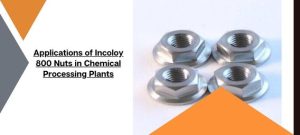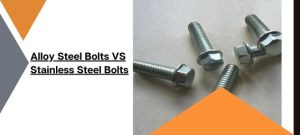

It is essential to use the right kind of bolts when it comes to the safety and longevity of your equipment. Alloy 800 bolts are popular in industries requiring high-temperature applications and corrosive environments, such as chemical processing, petrochemicals, power generation, etc.
In this blog post, we will delve deep into alloy 800 bolts, discussing their features, benefits, and applications, amongst other things.
Alloy 800 Bolts – What are they?
Alloy 800 Bolts, also known as Incoloy 800 Bolts, are made from nickel-iron-chromium alloy. They are designed to endure extreme temperatures ranging from -20°C to 1150°C. They have impressive resistance to steam, water, and acidic solutions, making them well-suited for high-temperature applications. Alloy 800 Bolts are ideal for use in chemical industries, petrochemical plants, and power plants, where their corrosion resistance is also crucial.
Alloy 800 Bolts are a type of corrosion-resistant fastener, typically made from nickel-iron-based alloys. They are designed to resist oxidation at high temperatures and offer excellent resistance to chloride stress corrosion cracking. These bolts offer superior strength and hardness compared to other bolting materials; they can be used for both studs and bolts in several industrial applications, such as boilers, the construction sector, heat exchangers, petrochemicals and shipping vessels. The advantages of Alloy 800 Bolts include their strong mechanical properties (tensile strengths up to 181ksi) when exposed to temperatures ranging from -200 degrees Fahrenheit up to 1600 degrees Fahrenheit. These bolts also have outstanding creep resistance performance, making them suitable for use as pressure vessel components or equipment running under severe conditions like steam pipelines or process lines where safety is a priority.
Why Alloy 800 Bolts are Important
Alloy 800 Bolts are critical for a broad range of equipment that requires stability and safety. These bolts are vital in high-temperature environments due to their impressive resistance to corrosion and oxidation. They provide reliable and stable fastening for equipment operating in high-temperature applications.
Advantages of Using Alloy 800 Bolts
There are numerous benefits to using Alloy 800 Bolts. Some of the advantages include:
Increased Strength
One of the primary advantages of using alloy 800 bolts is that they are much stronger than traditional steel bolts. This is because alloy 800 bolts are made with a higher percentage of chromium and nickel, which makes them more resistant to breakage and wear. In addition, alloy 800 bolts are heat-treated, increasing their strength.
Increased Durability
Another advantage of using alloy 800 bolts is that they are much more durable than traditional steel bolts. This is because alloy 800 bolts are less likely to corrode or rust over time. Additionally, the increased strength of alloy 800 bolts means that they are less likely to break under stress or strain.
Increased Resistance to Heat
Another advantage of using alloy 800 bolts is that they have a much higher resistance to heat than traditional steel bolts. This makes them ideal for use in applications where high temperatures are a concern, such as in automotive or industrial settings. Additionally, the increased resistance to heat also makes alloy 800 bolts less likely to deform over time.
Increased Resistance to Chemical Damage
In addition to being heat-resistant, another advantage of using alloy 800 bolts is that they are also resistant to chemical damage. This means they will not be harmed by exposure to harsh chemicals or cleaners, making them ideal for use in environments with these substances. The increased resistance to chemical damage also makes alloy 800 bolts less likely to corrode over time.
Customizable Appearance
Finally, another advantage of using alloy 800 bolts is that they can be customized to meet the specific needs of your application. For example, you can choose from various finishes, such as zinc plating or powder coating, to ensure that your alloy 800 bolts match your project’s aesthetic. You can also choose from various head styles and thread types to further customize the appearance of your alloy 800 bolts.
Applications of Alloy 800 Bolts
Alloy 800 Bolts are used in many high-temperature applications, including furnaces, heat exchangers, reactors, power plants, and more. They are used to fasten equipment that requires resistance to corrosive environments and high temperatures. Applications in which Alloy 800 Bolts are used include refineries, petrochemical plants, chemical processing plants, and oil and gas industries.
Common Standards for Alloy 800 Bolts
Alloy 800 Bolts are manufactured and supplied based on specific standards. These standards ensure that they are of the best quality for their intended purpose. The most common standard for Alloy 800 Bolts is ASTM B408.
Conclusion:
Alloy 800 Bolts are necessary fasteners in industries requiring high-temperature working environments. They exhibit a range of admirable properties that make them ideal for the purpose. Their impressive resistance to many corrosive chemicals and high-temperature ranges make them suitable for use in many industries, including chemical processing plants, petrochemical plants, power generation, oil, and gas industries. It is crucial to ensure that you use the right size and grade of Alloy 800 Bolts to ensure optimal performance and safety of the equipment. In conclusion, Alloy 800 Bolts are a reliable and stable fastening solution for high-temperature applications.